Source Semi Hanging Chisel Plough for Soil Prep, Farming, and Tillage
Compare 30 Semi Hanging Chisel Plough options from verified suppliers. These machines support soil preparation, paddy field work, and continuous running operations with customizable features and tractor power sources; compare the available evidence and request quotations based on your requirements.
Key considerations
Products List


Deep Loosen Machinery Cultivating Machine Farm Tiller Mounted Chisel Plough
$150.00 - $300.00
MOQ: 5 Sets


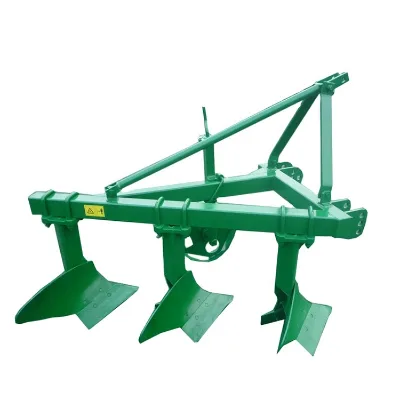


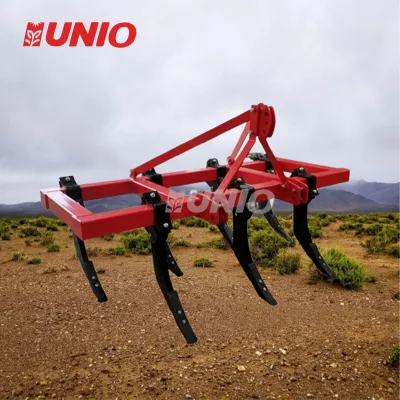
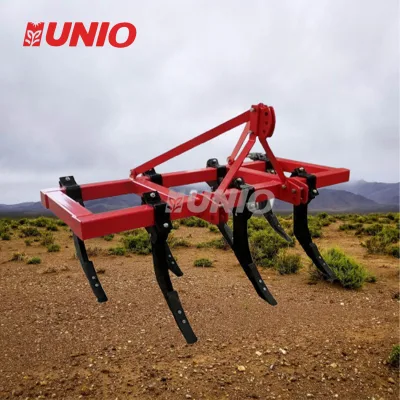

Cultivators Machines Combined Subsoil Plough Machine Subsoiler Chisel Plough
$3893.70 - $4517.50
MOQ: 1 Sets


Comprehensive Sourcing Guide
Semi Hanging Chisel Plough Sourcing Guide
Procuring semi hanging chisel ploughs requires a nuanced understanding of agricultural machinery specifications, particularly when sourcing from international markets. These implements are designed for soil preparation and continuous running operations, typically powered by tractors with horsepower ratings ranging from 90 to 120 HP. Buyers must carefully evaluate the arbor configuration, as options include both horizontal and vertical shaft designs, each suited to different soil conditions and operational needs. The drive type, whether chain or gear drive, significantly impacts maintenance requirements and durability, making it a critical selection criterion for long-term efficiency.
The observed market data indicates a diverse product range with prices varying widely from $4 to $13,300 USD, reflecting differences in build quality, material thickness, and included features. Minimum order quantities (MOQ) generally range from 1 to 100 units, offering flexibility for both small-scale farmers and large agricultural cooperatives. Key attributes such as customization availability, logo branding, and specific tillage depths (e.g., 20-30cm) allow buyers to tailor equipment to their exact operational requirements. Understanding these variables is essential for aligning procurement strategies with specific farming policies, whether for dry cultivating or paddy field machinery applications.
Product Scope and Observed Listing Signals
The product scope for semi hanging chisel ploughs encompasses a variety of models designed for arable machinery and farmland infrastructure. Listings frequently highlight core selling points such as high productivity and continuous running operation, which are vital for large-scale farming operations. The traction type is predominantly semi-hanging or hanging, allowing for better maneuverability and reduced soil compaction compared to fully mounted systems. Buyers should note that materials often include carbon steel, ensuring durability against abrasive soil conditions, while color options like blue are common for visibility and brand identification.
Observed listing signals reveal significant variation in technical specifications, including machine working widths of 40cm and tillage depths between 180-250mm. Some models feature multiple bottoms, such as 3, 4, or 5 PCS, which directly influence the width of the cultivated area per pass. The origin of these machines is primarily China, with delivery dates often cited around 90 days, impacting supply chain planning. Packaging methods vary from container shipping to wooden cases, depending on the model size and weight, which can range from 90kg to over 2700kg for larger units.
Technical Specifications to Verify
Verifying technical specifications is crucial to ensure the chisel plough meets the tractor’s power output and the farm’s soil requirements. Buyers must confirm the HP compatibility, as mismatched power ratings can lead to inefficient operation or equipment damage. The number of bottoms and their width, such as 200mm furrow widths, determine the coverage area and soil turnover efficiency. Additionally, the drive type, whether chain or gear, affects the maintenance schedule and operational reliability, with gear drives often offering more consistent performance in heavy-duty applications.
Tillage depth settings, typically adjustable between 20-30cm or 180-250mm, should be verified against local soil conditions and crop requirements. The arbor configuration, horizontal or vertical, influences the plough’s stability and depth control, with vertical shafts often preferred for specific soil types. Buyers should also check the weight specifications, which can range from 620kg to 2717kg, as heavier units may provide better penetration in hard soils but require more powerful tractors. Ensuring these parameters align with operational needs prevents costly mismatches and ensures optimal field performance.
Compliance and Safety Documentation
Compliance with safety and operational standards is non-negotiable for agricultural machinery procurement. Buyers must verify that the chisel ploughs carry relevant certifications, such as CE, which indicates adherence to European health, safety, and environmental protection standards. This certification is particularly important for exports to regions with strict regulatory frameworks. Documentation should also include detailed operation manuals and safety guidelines, ensuring that operators are trained in the correct use of the machinery to prevent accidents and ensure efficient operation.
In addition to certifications, buyers should request proof of quality control processes and material specifications. The use of carbon steel should be confirmed, along with any heat treatment processes that enhance durability. Safety features, such as protective guards and secure attachment points, must be clearly documented. Buyers should also verify that the supplier provides comprehensive warranty terms and after-sales support, which are critical for maintaining compliance with operational safety standards over the machine’s lifespan.
Cost Drivers and Commercial Terms
Cost drivers for semi hanging chisel ploughs include material quality, manufacturing complexity, and customization options. Higher horsepower compatibility and specialized features like customizable logos or specific tillage depths can increase the unit price. The observed price range of $4 to $13,300 USD reflects these variations, with basic models at the lower end and heavy-duty, customized units at the higher end. Buyers should consider the total cost of ownership, including maintenance, spare parts availability, and fuel efficiency, rather than just the initial purchase price.
Commercial terms such as MOQ, lead times, and shipping methods significantly impact procurement costs. MOQs ranging from 1 to 100 units allow for flexible ordering, but larger orders may offer volume discounts. Lead times of around 90 days require careful planning to align with planting seasons. Shipping costs, whether via container or wooden case packaging, should be factored into the total budget. Buyers should negotiate clear payment terms and delivery schedules to mitigate risks associated with international trade and supply chain disruptions.
Supplier Qualification and Quality Control
Supplier qualification is a critical step in ensuring the reliability and quality of semi hanging chisel ploughs. Buyers should verify the supplier’s manufacturing capabilities, including their experience in producing agricultural machinery and their adherence to quality management systems. Requesting references from previous clients and conducting site visits, if possible, can provide insights into the supplier’s production processes and quality control measures. Suppliers with a proven track record in exporting to your region are preferable, as they are likely familiar with local regulatory requirements and market expectations.
Quality control measures should include rigorous testing of materials and components, such as carbon steel thickness and weld integrity. Buyers should request inspection reports and certificates of conformity for each batch of machinery. Establishing clear communication channels with the supplier for addressing any quality issues post-delivery is essential. Additionally, verifying the supplier’s ability to provide timely after-sales support and spare parts ensures long-term operational reliability. Building a strong relationship with a qualified supplier can lead to better pricing, priority service, and access to new product innovations.
Long-Term Procurement Checks
Long-term procurement checks involve monitoring the performance and durability of the chisel ploughs in real-world conditions. Buyers should track maintenance costs, frequency of repairs, and overall efficiency over time to assess the true value of the investment. Regular feedback from field operators can highlight any design flaws or operational challenges that need to be addressed. This data-driven approach allows for informed decisions when reordering or upgrading machinery, ensuring that future purchases align with evolving farming needs and technological advancements.
Additionally, buyers should stay informed about changes in industry standards, regulations, and technological innovations in agricultural machinery. Engaging with industry forums and attending trade shows can provide insights into emerging trends and best practices. Building a network of peers and suppliers can facilitate knowledge sharing and collaborative problem-solving. By maintaining a proactive approach to procurement and continuous improvement, buyers can optimize their agricultural operations, reduce costs, and enhance productivity over the long term.
FAQs
What is the typical working width for a Semi Hanging Chisel Plough?
The typical working width is 40cm, as seen in the KJ440 model. This dimension ensures efficient soil preparation for standard agricultural fields. Operators should verify specific model specifications to match field requirements. The horizontal axis configuration supports this width for consistent tillage depth and performance during continuous running operation.
Can the logo on a Semi Hanging Chisel Plough be customized?
Yes, the logo is customizable for most Semi Hanging Chisel Plough models. Buyers can request custom branding to align with their corporate identity or distributor requirements. This customization is available alongside other features like color options. It allows for distinct product identification in the global agricultural machinery market without affecting core mechanical performance.
Which power source is required for a Semi Hanging Chisel Plough?
A tractor is the required power source for a Semi Hanging Chisel Plough. These machines are designed to attach directly to tractor three-point hitches or semi-hanging frames. The tractor must provide sufficient horsepower, typically ranging from 90 to 280HP depending on the model. This ensures adequate traction and drive for continuous soil preparation tasks in various farming conditions.
What is the standard lead time for ordering a Semi Hanging Chisel Plough?
The standard lead time is approximately 90 days for delivery. This timeframe accounts for manufacturing, quality checks, and container shipping preparation. Buyers should plan procurement schedules accordingly to align with planting seasons. The production process involves carbon steel fabrication and assembly, ensuring durability for heavy-duty agricultural use in global markets.
How many bottoms does a typical Semi Hanging Chisel Plough have?
Typical models feature between 3 and 5 bottoms, such as the 1LF-KP431 with 3PCS or the J3-20 with 5 bottoms. The number of bottoms determines the tillage width and soil turnover capacity. Buyers should select the count based on their tractor power and field size. This configuration directly impacts the machine's working efficiency and fuel consumption during arable operations.
What certification do semi hanging chisel ploughs typically carry?
Semi hanging chisel ploughs typically carry CE certification. This indicates compliance with European health, safety, and environmental protection standards. The certification is crucial for exporting machinery to regulated markets. Buyers should verify that the specific model includes valid CE documentation to ensure legal operation and import acceptance in target regions.